
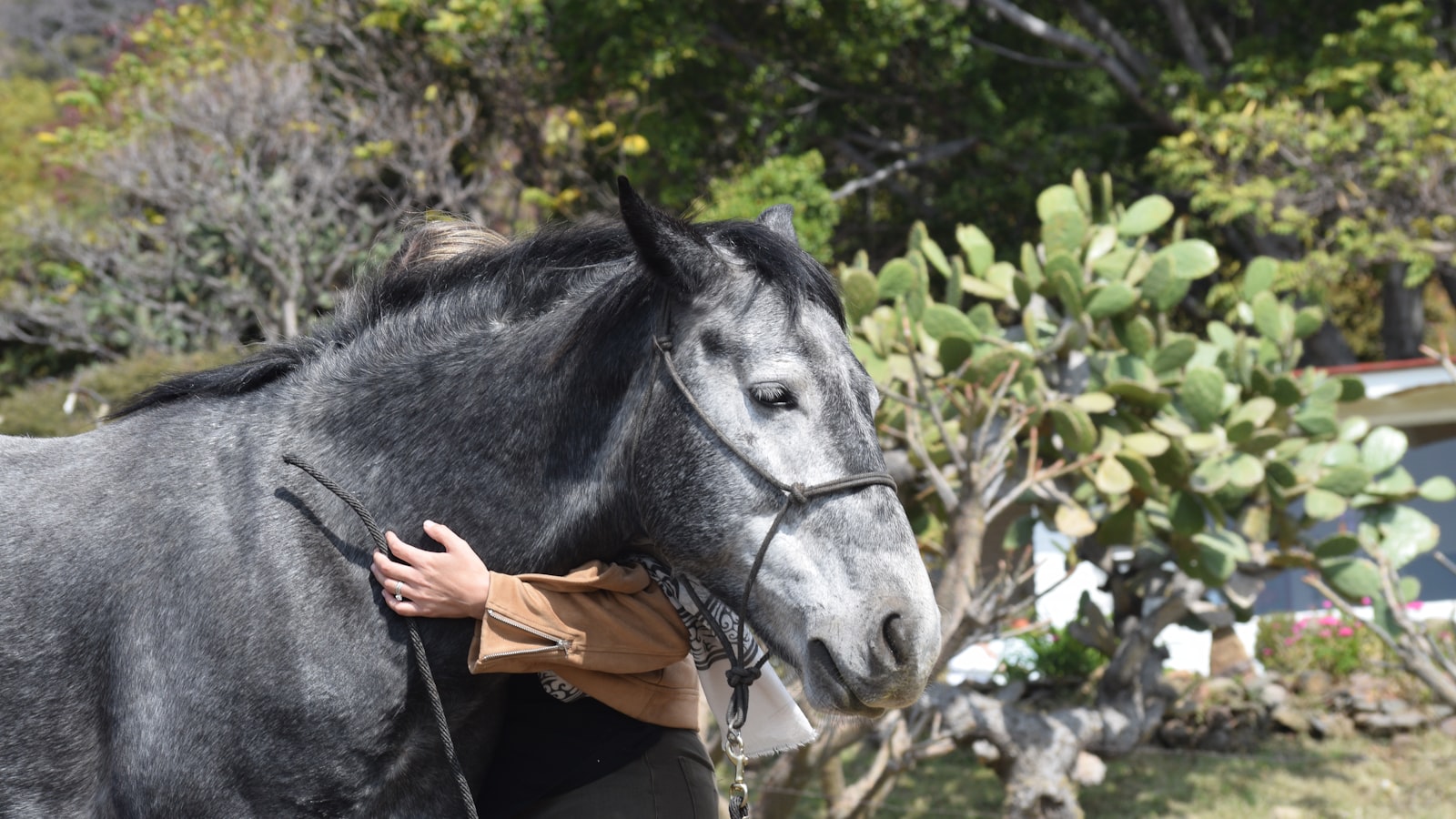
The most expensive mistakes in horse buying are made before anyone looks at a horse. They are made in the assumptions: about time, about cost, about the level of horse a rider can enjoy rather than merely manage.
This checklist is written for the buyer purchasing their first horse. Work through it before you open a search.
1. Be Honest About Your Riding
Write down, plainly:
- How many times a week you ride, and for how long.
- Whether you have an instructor, and how often you see them.
- The highest level you ride confidently and unsupervised.
- What you actually want to do: hack, compete locally, train seriously, or simply enjoy the yard.
Buy for the rider you are on a bad day, not the rider you are in a good lesson. A horse that is easy on your worst day gets ridden; a horse that needs your best day does not.
2. Set the Real Budget
The purchase price is the smallest number in the first year. Plan for:
- Purchase price, plus 3–5% for vetting and contract.
- Transport to your yard.
- Tack and equipment, if not included — saddle fitting alone is a meaningful cost.
- First-year veterinary — dentist, vaccinations, worming and a contingency.
- Ongoing keep — see what a horse really costs.
A useful rule: if the purchase price consumes everything you have, the budget is wrong.
3. Sort the Livery First
Secure the yard before the horse. Visit at least three, at different times of day.
- Full, part or DIY livery — and what each includes in writing.
- Turnout: hours, group or individual, winter arrangements.
- Facilities: arena, surface quality, hacking, storage.
- Who is there during the week, and who to call at 2am.
A good yard makes an average horse enjoyable. A poor yard makes a good horse a burden.
4. Define the Horse
Write a one-paragraph specification and hold to it:
- Age band — for a first horse, generally 8–14.
- Height and build appropriate to your size, not your ambition.
- Temperament above all: forgiving, uncomplicated, established in its work.
- Discipline experience matching what you will actually do.
- A realistic country and travel radius.
Browse by breed and discipline to calibrate your expectations against real adverts and real prices.
5. Build Your Team
Before viewing, identify:
- An instructor who will come to viewings with you.
- An independent vet for the pre-purchase exam.
- A saddle fitter for after purchase.
- A farrier and a dentist at your new yard.
The instructor is the most important. Their fee for a day of viewings is trivial against the cost of the wrong horse.
6. Insurance and Paperwork
- Get quotes before you buy; premiums vary sharply by age, value and use.
- Understand exclusions: pre-existing conditions, loss of use, and vetting requirements.
- Confirm the passport, microchip and UELN before payment.
- Insist on a written sales contract.
7. The Viewing Process
Plan for four to ten viewings over two to six months. Take notes and photographs each time. Follow the structure in our trial rides guide, and never buy on a first visit.
8. After You Buy
Give the horse four to six weeks to settle before judging it. Keep the previous routine and feed for the first fortnight, then change one thing at a time. The first month checklist sets out a week-by-week plan.
The Short Version
- Ride the horse you can enjoy, not the horse you can survive.
- Budget for the year, not the day.
- Secure the yard first.
- Bring your instructor.
- Vet independently, always.
Frequently Asked Questions
Should a first horse be young or older?
Older, in almost every case. An established 10-year-old that has done the job for several riders teaches a new owner far more than a talented five-year-old will.
Is loaning before buying a good idea?
It is one of the best ways to learn what ownership actually demands, and a written loan agreement protects both parties. Many excellent first-horse partnerships begin as loans.
How much should a sensible first horse cost in Europe?
Sound, straightforward all-rounders typically sit in the €4,000–€15,000 band depending on country, age and record. Below that band, expect either an age or a soundness compromise.
Do I need my own saddle immediately?
You need a fitted saddle before regular work begins. Budget for a fitting even if a saddle is included in the sale — fit for the horse matters more than the brand.
What if I buy the wrong horse?
It happens, and it is recoverable. Take instruction, be honest early rather than late, and sell responsibly using our selling guide. Persisting silently with an unsuitable horse helps nobody.