
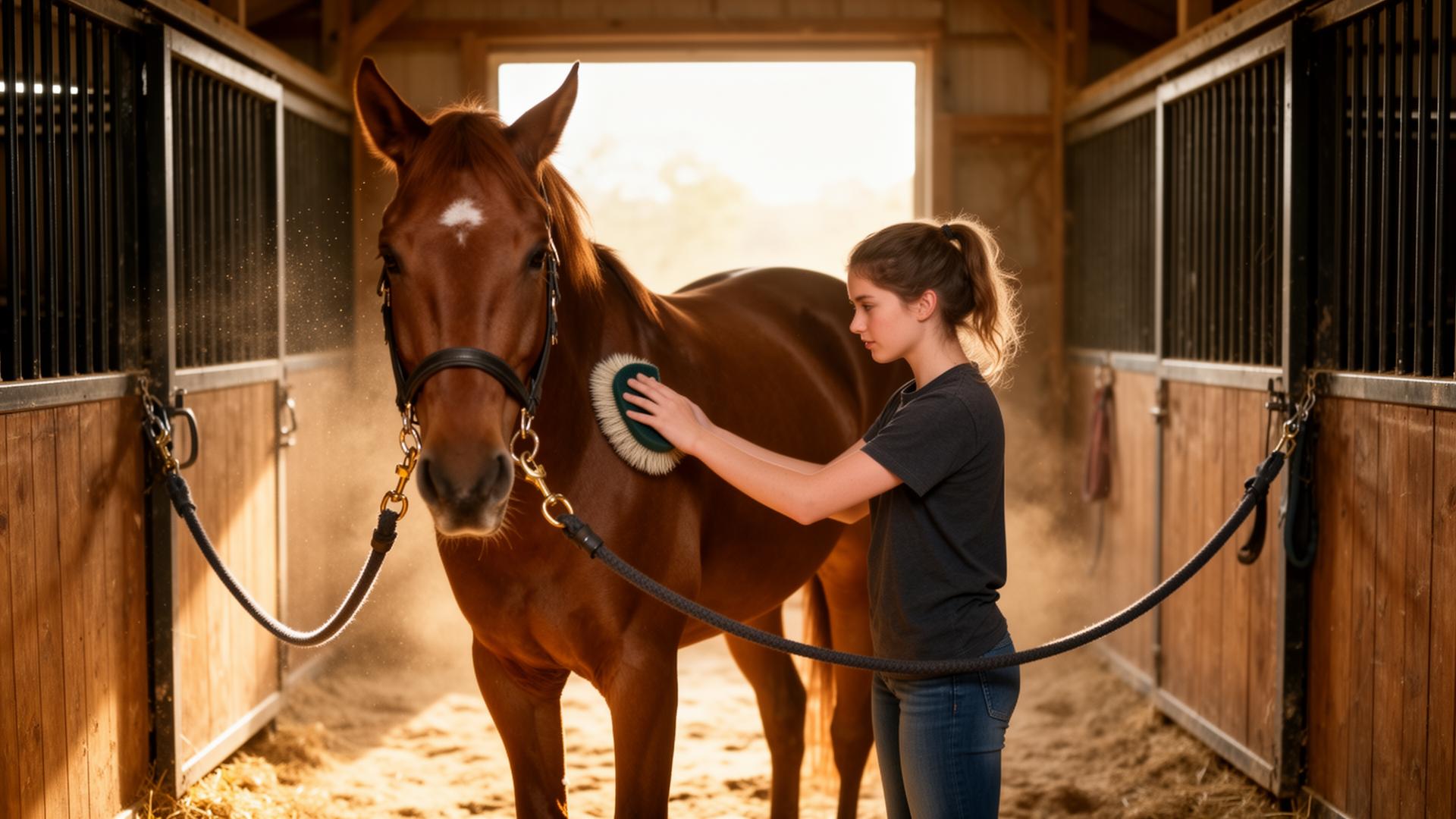
The first four weeks with a new horse set the tone for the partnership. Buyers who treat this period as an extension of the trial — testing limits, riding hard, introducing new environments quickly — often create problems that take months to undo. Buyers who treat it as a settling period, with low ambitions and high attention to detail, almost always end up with a horse that is happier, calmer, and easier to develop.
This guide breaks the first month into four weeks, with a sensible focus for each. For deeper editorial coverage of new-horse care, see HorseWorld''s horse-care articles.
Before the Horse Arrives
A short list of work that should be complete on day one:
- Stable bedded, water filled, hay weighed.
- Field arrangement agreed: solo turnout for the first 24–48 hours, then a calm companion.
- The seller''s feeding regime documented and the same feed available for at least two weeks.
- Vaccination, worming, dental, and farrier records in hand.
- Passport in the yard''s safe.
- Insurance active from the moment of collection.
- Vet, farrier, and dentist contacts saved.
Week 1: Settle
The single most important week. Do less than you think you should.
- Keep the horse in a calm, predictable routine.
- Short, in-hand work only: walking out, grooming, light handling.
- Allow turnout in a small paddock alone or with one quiet companion.
- Monitor eating, drinking, droppings, and behaviour.
- Avoid ridden work entirely if possible; if you must ride, walk-only in the home arena.
The horse is processing significant change. Resist the urge to introduce yourself emphatically.
Week 2: Routine
- Establish consistent feeding and turnout times.
- Begin ridden work with short, calm sessions: walk and trot in the home arena, twenty minutes maximum.
- Introduce the horse to the farrier in a controlled session — even if shoes are not due.
- Walk the horse around the yard so it learns the layout.
- Continue to monitor weight, droppings, and behaviour daily.
Week 3: Build
- Lengthen sessions to thirty or forty minutes, including canter on both reins.
- Begin schooling work appropriate to the horse''s training level — do not exceed it.
- Introduce a calm hack with a settled companion if behaviour is consistent.
- Schedule the first vet visit for a wellness check and to update records with your practice.
Week 4: Assess
- Review what you have learned. Is the horse settling? Is the feeding right? Is the turnout arrangement working?
- Begin a longer-term training plan with your instructor based on what the first three weeks revealed.
- Consider entering a small, low-pressure outing — a riding club or unaffiliated event — only if the horse is genuinely ready.
- Update insurance, registration, and any FEI or studbook records if applicable.
Common Mistakes
- Riding hard in week one. Almost always creates avoidable problems.
- Changing feed abruptly. A two-week transition is the minimum.
- Introducing new companions too quickly. Field changes are stressful; stage them.
- Reading early behaviour as the horse''s "true" character. The first fortnight is rarely representative.
- Skipping a vet wellness check. A 30-minute visit in week three or four establishes a relationship with your practice and a baseline for the horse.
When to Call the Vet Earlier
- Loss of appetite for more than 24 hours.
- Significant change in droppings or no droppings for 12 hours.
- Reluctance to move, lying down more than usual, or any sign of colic.
- Heat or swelling in any limb.
- Wounds, lameness, or significant behaviour change.
Conclusion
The first month is an investment in the next ten years. Slow, calm, observant settling-in pays back many times over in temperament, training, and trust. Pair this guide with our How to Buy a Horse and Understanding the PPE guides for the full pre-arrival framework.
Frequently Asked Questions
How long should I wait before competing?
At minimum, six to eight weeks. Even confident, well-prepared horses benefit from a quiet first six weeks before being asked to perform in an unfamiliar environment.
Should I change the horse''s feeding regime?
Not in the first two weeks. Maintain the seller''s feeding exactly, then transition gradually over a further two weeks if changes are needed.
Is solo turnout for the first 48 hours really necessary?
For most horses, yes. It allows the horse to assess the environment without the additional stress of introducing companions. Quiet, gradual integration follows.
What if the horse seems "different" from the trial?
Within reason, this is normal. Horses behave differently in unfamiliar environments. Give the horse three to four weeks before drawing firm conclusions about temperament or rideability.
Should I tell my vet I have a new horse?
Yes, before the horse arrives if possible. A wellness check in the first month establishes the horse on your practice''s records and creates a baseline for future issues.