
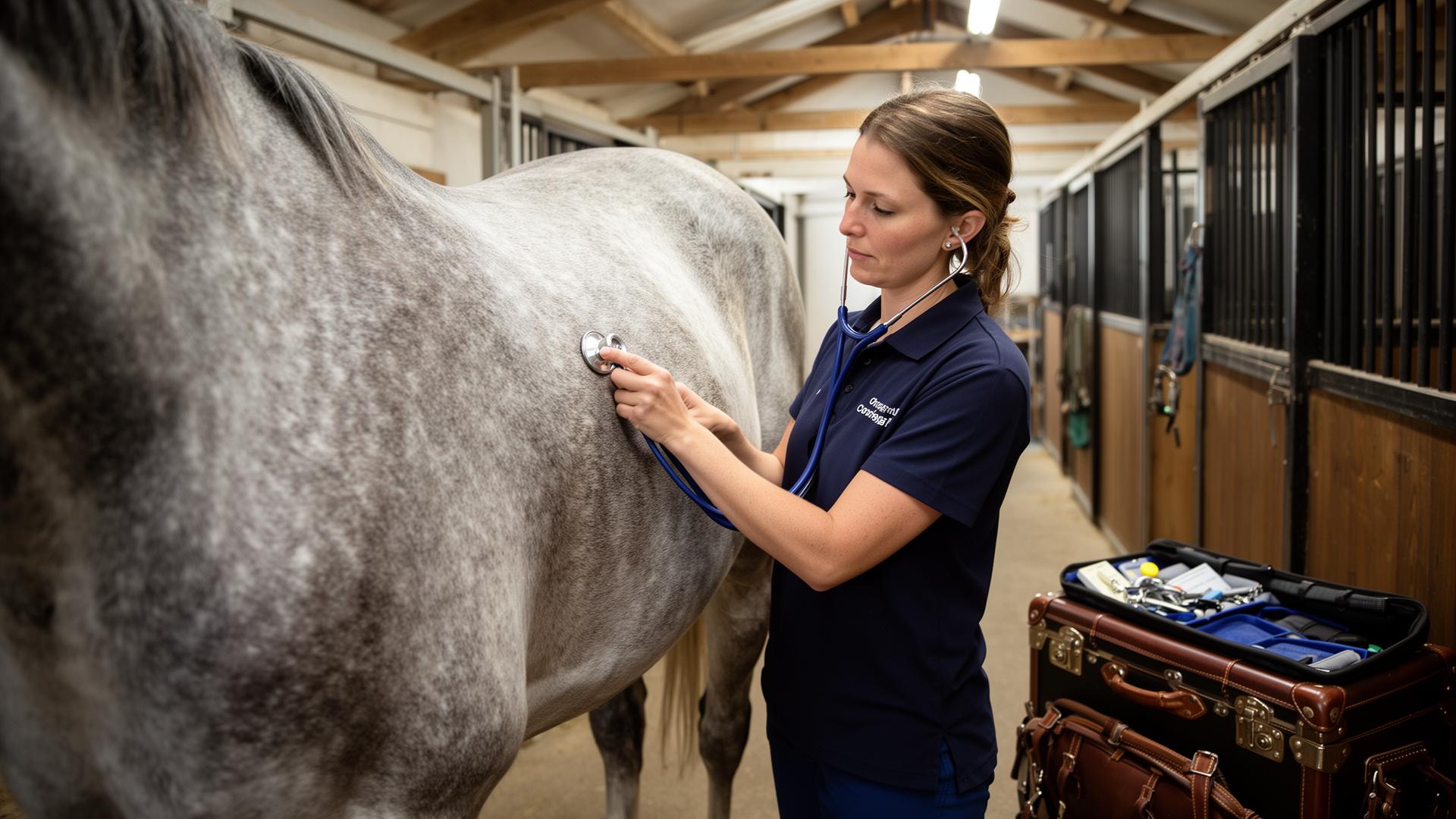
A pre-purchase examination — the PPE, or "vetting" — is the most important hour or two in the purchase of a horse. It provides an independent, professional assessment of the horse''s health and suitability for its intended use. Yet many buyers approach it without a clear understanding of what is covered, what is optional, and how to interpret a report that almost never says simply "pass" or "fail."
This guide explains the standard European protocol, the optional imaging that high-value purchases warrant, and the conversations you should have with your vet before, during, and after the examination. For an even more detailed clinical walkthrough, see HorseWorld''s Pre-Purchase Vetting article.
Why a PPE Is Non-Negotiable
A vetting does not guarantee future soundness — no examination can — but it identifies existing problems and assesses the risk of foreseeable ones. The cost of the exam is trivial relative to the cost of buying a horse with an undisclosed condition, or one that becomes uninsurable on the basis of findings the buyer should have known about.
The Five-Stage Examination
Across Europe, the British Equine Veterinary Association (BEVA) five-stage protocol is the de facto standard, with equivalents recognised by FEI member federations.
Stage 1: Preliminary Examination at Rest
Eyes, heart, lungs, teeth, skin, limbs, and general condition. The vet notes lumps, scars, swellings, and any sign of previous surgery.
Stage 2: Walk and Trot in Hand
On a firm, level surface. Flexion tests on all four limbs follow — each joint held in flexion briefly, then the horse trotted away immediately. This often exposes subclinical lameness that does not appear at ease.
Stage 3: Strenuous Exercise
The horse is worked, ridden or lunged, at all paces. The vet monitors cardiovascular and respiratory response, looking for irregular rhythm, abnormal sounds, or behavioural signs of discomfort under exertion.
Stage 4: Rest and Recovery
A 20–30 minute observation period. Heart rate and respiration are reassessed; some conditions only become apparent once the horse has cooled.
Stage 5: Second Trot-Up
A final trot on hard ground, often with repeated flexion tests, to detect lameness that emerges after exertion.
Additional Diagnostics
The five stages are clinical. Imaging and laboratory work are optional and should be agreed in advance.
- Radiographs (X-rays). Standard sets cover feet, fetlocks, hocks, and stifles. For sport horses, more extensive imaging is common. Typical cost: €250–€950+.
- Ultrasound. For soft tissue — tendons, ligaments, suspensories. Particularly relevant for horses with any history of soft-tissue injury.
- Endoscopy. Examines the upper airway. Recommended for horses intended for racing or high-level competition.
- Blood sample retention. A drawn sample held by the lab for six to twelve months. If unexpected health or behavioural issues emerge post-purchase, the sample can be tested for substances that may have been administered to mask problems during the sale.
Choosing the Vet
One rule overrides all others: the vet must be independent of the seller. Even the most reputable practitioner faces a conflict of interest when examining a horse for an existing client''s sale.
- Engage a vet experienced in pre-purchase examinations in the relevant discipline.
- Agree the scope (stages, imaging, samples) in writing before the appointment.
- Attend in person if possible.
- For international purchases, ask your home vet to recommend a colleague in the seller''s country, or contact the national veterinary association.
Interpreting the Report
Modern reports do not "pass" or "fail" the horse. They describe findings and provide a professional opinion on suitability for the buyer''s stated purpose. A horse with minor hock changes may be entirely suitable for a hacking home and an unacceptable risk for an aspiring grand-prix jumper. The decision is the buyer''s, made in consultation with the vet.
Useful questions to discuss after the exam:
- Are the findings normal for a horse of this age and type?
- Do any findings affect suitability for my intended use?
- What is the likely progression of any condition identified?
- Are there findings that will affect insurability?
- Would you recommend further investigation before I commit?
Typical Costs
| Component | Indicative range (EUR) |
|---|---|
| Two-stage exam | €180–€400 |
| Full five-stage exam | €300–€600 |
| Radiograph set | €250–€950+ |
| Ultrasound (per area) | €120–€480 |
| Endoscopy | €180–€420 |
For high-value sport horses, full imaging can push the total beyond €2,000. This is a small fraction of the purchase price and a fraction of the cost of treating an undisclosed condition.
Common Mistakes
- Skipping the exam to save money. False economy in almost every case.
- Using the seller''s vet. Avoid even with sellers you trust.
- Accepting an old vetting report. A PPE should be performed for you, for your intended use.
- Treating the report as binary. Discuss every finding with the vet before deciding.
Conclusion
The pre-purchase exam is a safeguard, not an obstacle. Choose an independent vet, agree the scope in advance, attend if you can, and take the time to discuss the findings properly. Combined with a written sales contract and proper handover, the PPE is the single most effective protection a buyer has against an expensive mistake.
For the broader purchase framework, return to our How to Buy a Horse guide.
Frequently Asked Questions
How long does a full PPE take?
A five-stage clinical exam takes 60 to 90 minutes, plus the 20–30 minute rest period. With imaging, allow a half day.
Should I get X-rays even if the clinical exam is clean?
For horses above approximately €10,000, or for any horse intended for competition, yes. Some changes are not detectable clinically and affect both future soundness and insurability.
Can a horse "fail" a vetting?
Modern reports use findings and opinions on suitability rather than pass/fail. The decision to proceed is always the buyer''s, in consultation with the vet.
Who pays for the exam?
The buyer, almost without exception. This ensures the vet acts on the buyer''s behalf.
Should I be present during the exam?
If possible, yes. Direct observation and the opportunity to ask the vet questions in real time are valuable. If distance prevents it, ask for a phone debrief immediately afterwards.