
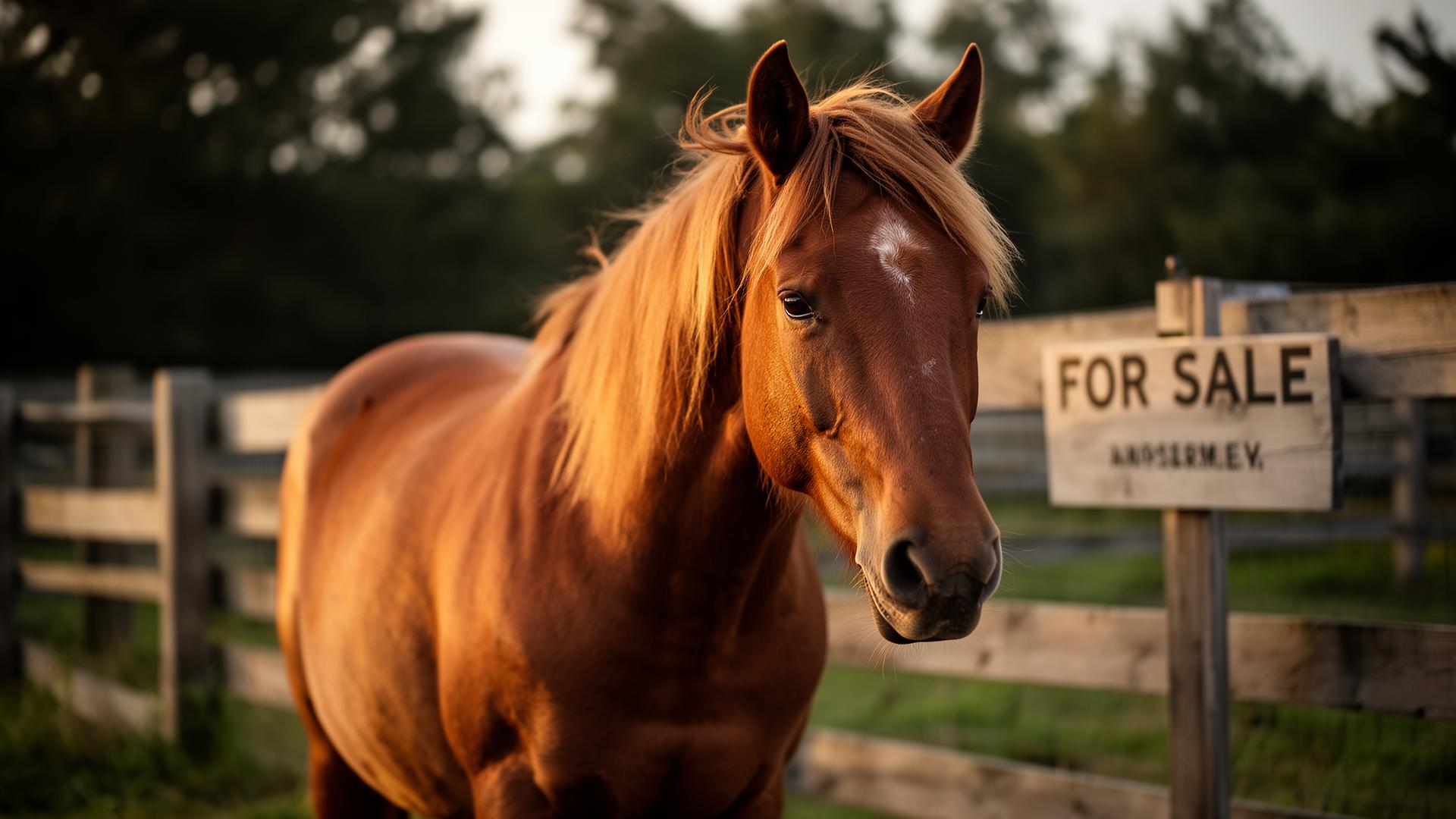
A horse that "won''t sell" is almost always a horse that has been listed badly. The European sport-horse market is active, well-informed, and unforgiving of poor presentation. The horses that sell quickly, at fair prices, and to suitable homes share a small number of characteristics: they are honestly described, professionally photographed, priced against real comparables, and supported by a seller who responds to enquiries promptly. None of these requires luck.
This guide sets out the process used by experienced private sellers and small agents across Europe. For deeper editorial coverage of the European sales market, HorseWorld''s selling guides provide additional context on pricing dynamics and contract law.
Prepare Before You List
Half the work of selling a horse happens before the listing goes live.
- Bring the horse forward in condition. A fit, well-muscled horse photographs better and rides better at viewings.
- Schedule farrier and dental work. A horse on a stale shoeing cycle will not trot up cleanly.
- Update vaccinations and worming. Buyers will ask.
- Gather paperwork. Passport, registration documents, vaccination record, competition results. See the UELN database if you need to verify breeding records.
- Consider a pre-sale vetting. For higher-value horses this dramatically shortens the sales cycle.
Price It Honestly
Pricing is the single largest determinant of how quickly a horse sells. A horse priced 20% above the market does not sell slowly — it usually does not sell at all, because buyers filter it out before they see the listing. Read our full Pricing Your Horse guide for the underlying framework.
Research comparable sales, not asking prices. Auction results from the major European sales companies are public record and a useful benchmark. The WBFSH studbook rankings provide context on breeding-line value.
Write the Listing Properly
A listing that earns trust does three things: it describes the horse accurately, anticipates the questions a serious buyer will ask, and presents the information in a way that is easy to scan. Our Writing a Horse Listing That Earns Trust guide covers structure, tone, and the disclosures that genuinely matter.
Photograph and Video Well
Buyers in 2025 are scrolling on phones. Good media is not optional. The Photographing Your Horse for Sale guide covers the conformation, ridden, and free-movement shots experienced buyers expect.
A bare minimum kit:
- Three conformation photos (left, right, front).
- Ridden footage at walk, trot, and canter on both reins.
- Free-movement or lungeing footage.
- Loading and stable behaviour clips if relevant.
Respond Like a Professional
Most enquiries are lost in the first 24 hours of silence. Reply promptly, answer the question that was asked, and provide additional information proactively. Serious buyers will move on to the next horse quickly if responses are slow or vague.
A useful filter: ask each enquirer about their experience, intended use, and location. This protects your time and ensures viewings are productive.
Manage Viewings and Trials
Viewings should be structured. Have the horse caught, groomed, and presented well. Be present, but let an instructor or rider show the horse without interference where possible. Allow buyers to bring their own help — a professional buyer will always bring a second pair of eyes, as described in our Trial Rides guide.
Close Cleanly
A successful sale is documented properly. The contract should cover identification of the horse, the agreed price, the date of transfer, the condition at sale, and any exclusions. Deposits should be paid before vetting; the balance on collection, against signed transfer of ownership.
For cross-border European sales, the TRACES NT system governs movement and the buyer''s national authority handles equine identification updates. Familiarity with the process is the seller''s responsibility, even when an agent handles the logistics.
Common Pitfalls
- Overpricing because of emotional investment. Buyers pay market value, not accumulated costs.
- Vague or inflated descriptions. "Bombproof" rarely is, and the word makes experienced buyers wary.
- Slow responses. A two-day delay loses serious buyers to faster sellers.
- Refusing a PPE or trial. Both are standard practice; refusing either signals a problem.
Conclusion
Selling a horse well is a craft. The sellers who consistently move horses quickly and at full price are not the ones with the best stock — they are the ones who treat the process with discipline. Prepare carefully, price honestly, present professionally, respond promptly, and document everything. Done well, a sale takes weeks, not months, and the horse leaves with a buyer who will look after it.
Frequently Asked Questions
How long should it take to sell a well-priced horse in Europe?
For a horse that is fairly priced, well presented, and in a sought-after profile (15.2–16.2 hh, sound, with documented training), four to eight weeks is typical. Longer than three months usually indicates a pricing or presentation issue, not a market issue.
Should I use a dealer or sell privately?
Dealers offer reach and convenience but take a commission of 10–20%. Private sales retain the full value but require more time and skill from the seller. For horses worth less than €5,000, private sale is usually best; for higher-value horses, a reputable agent often justifies the commission through faster turnover and better-qualified buyers.
Is a pre-sale vetting worth the cost?
For horses above approximately €10,000, yes. A clean pre-sale report dramatically reduces negotiation, accelerates the sale, and reduces the chance of the buyer''s vet finding something unexpected. For lower-value horses the cost is harder to justify, but a recent vaccination and dental record provides similar reassurance.
What deposit should I take?
Ten percent of the agreed price, non-refundable except in the event of a failed PPE, is the European market standard. The deposit confirms commitment and reserves the horse during the vetting period.
Can I refuse to sell after accepting a deposit?
Once a deposit has been accepted against agreed terms, the seller is contractually committed in most European jurisdictions. Withdrawing the horse exposes the seller to a refund obligation and, in some cases, damages. Be certain before accepting.