
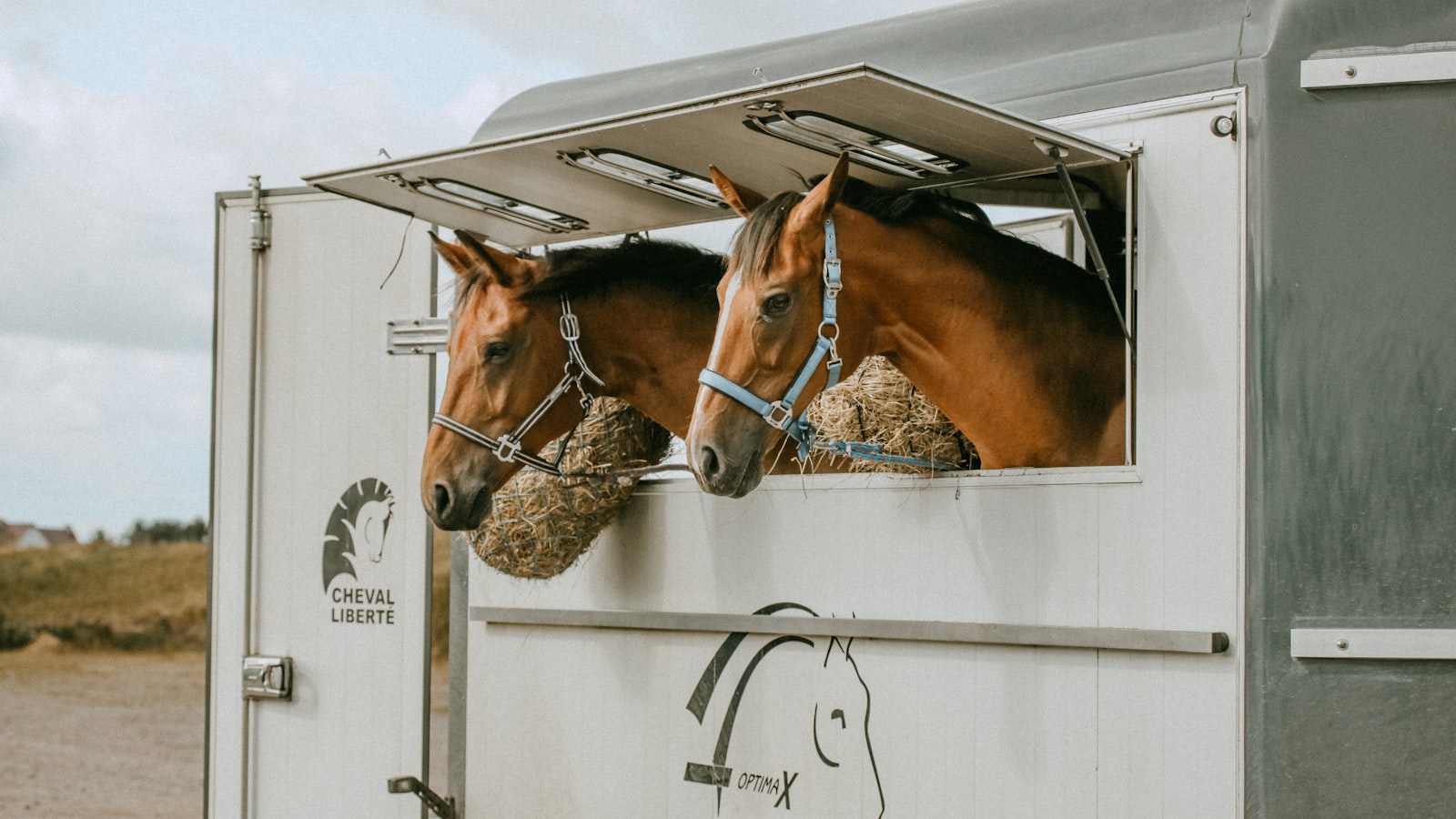
Transport is the part of a purchase buyers think about last and regret first. A badly planned journey can undo a careful purchase: horses arrive dehydrated, stressed, or with a respiratory infection that takes weeks to clear.
The good news is that professional equine transport across Europe is well regulated and, planned properly, routine.
Choosing a Transporter
Ask every operator for four things before booking:
- Their transporter authorisation. Commercial journeys over 65 km within the EU require authorisation under Regulation (EC) No 1/2005; journeys over eight hours require a Type 2 authorisation and an approved vehicle certificate.
- Insurance. Confirm what is covered in transit, the limit per horse, and whether it covers loading and unloading.
- Journey plan. Route, expected duration, rest stops, and whether horses are unloaded overnight on long journeys.
- References. Yards they regularly work with. Reputable transporters give them freely.
Compare quotes on total cost, not headline price: ferry crossings, tolls, overnight stabling and waiting time should all be itemised.
Documents That Must Travel
- The horse passport, original, travelling with the horse at all times.
- The microchip number matching the passport.
- For cross-border movement, health certification and a TRACES entry raised by the official veterinarian.
- Any equine infectious anaemia or additional testing the destination requires.
The full sequence for cross-border moves is in importing a horse to the EU.
Preparing the Horse
Two weeks before
- Confirm vaccinations are current and within the destination's window.
- Practise loading if the horse is inexperienced. Ten calm minutes daily beats one long battle.
- Book the vet visit for health certification.
The day before
- Reduce hard feed, maintain forage and water.
- Check rugs suit the expected temperature in transit, not at home.
- Prepare travel boots or bandages if the horse is used to them — travel is not the moment to introduce new equipment.
On the day
- Offer water right up to loading.
- Load calmly and early; rushing is the main cause of loading injuries.
- Give the driver your mobile number, the destination contact and your vet's number.
During the Journey
Good practice on European routes:
- Water offered at least every four to six hours.
- Ad-lib forage at head height low enough to allow drainage from the airways.
- Ventilation without direct draught.
- Rest stops as required by journey length, with a 24-hour rest after 24 hours of travel.
Horses tied high for long periods are far more prone to shipping fever. A slightly lower head position matters more than most owners realise.
On Arrival
- Unload quietly and walk the horse in hand for ten minutes.
- Offer tepid water and forage; delay hard feed for several hours.
- Take temperature twice daily for three days — a rise is the first sign of shipping fever.
- Isolate from the resident herd for one to three weeks depending on origin.
- Give at least a few days of light work before assessing the horse.
Our first month checklist covers the settling-in period in detail.
Typical European Costs
| Journey | Indicative cost per horse |
|---|---|
| Under 200 km, domestic | €150 – €400 |
| 500 – 1,000 km, cross-border | €500 – €1,100 |
| Iberia or Scandinavia to Central Europe | €900 – €1,800 |
| Including a ferry crossing | Add €150 – €500 |
Shared loads reduce cost substantially; dedicated transport reduces journey time and handling.
Frequently Asked Questions
How long can a horse travel in one journey?
Under EU rules, domestic equidae may travel up to 24 hours provided they are watered and, if necessary, fed every eight hours, followed by a 24-hour rest. In practice, most welfare-focused operators break long routes with an overnight stop.
Should I sedate a horse for travel?
Only on veterinary advice. Sedation impairs thermoregulation and balance, and is rarely appropriate for a routine journey.
Do I need travel boots?
Only if the horse is accustomed to them. An unfamiliar horse fighting unfamiliar boots in a moving lorry is more dangerous than bare legs.
Who is responsible if the horse is injured in transit?
It depends on the contract and the transporter's insurance. Get the terms in writing before booking, and confirm your own insurance covers the horse from the moment title passes.
Can I transport a horse myself across a border?
Yes, but non-commercial movements still require the passport and, in most cases, health certification and a TRACES entry. Check the destination country's requirements well in advance.